
This lesson covers basic vocabulary in English. It includes the most useful topics for beginners at A1 level. You will learn greetings, colours, numbers, days, months, family, food, body parts, clothes, school, home, weather, and transport.
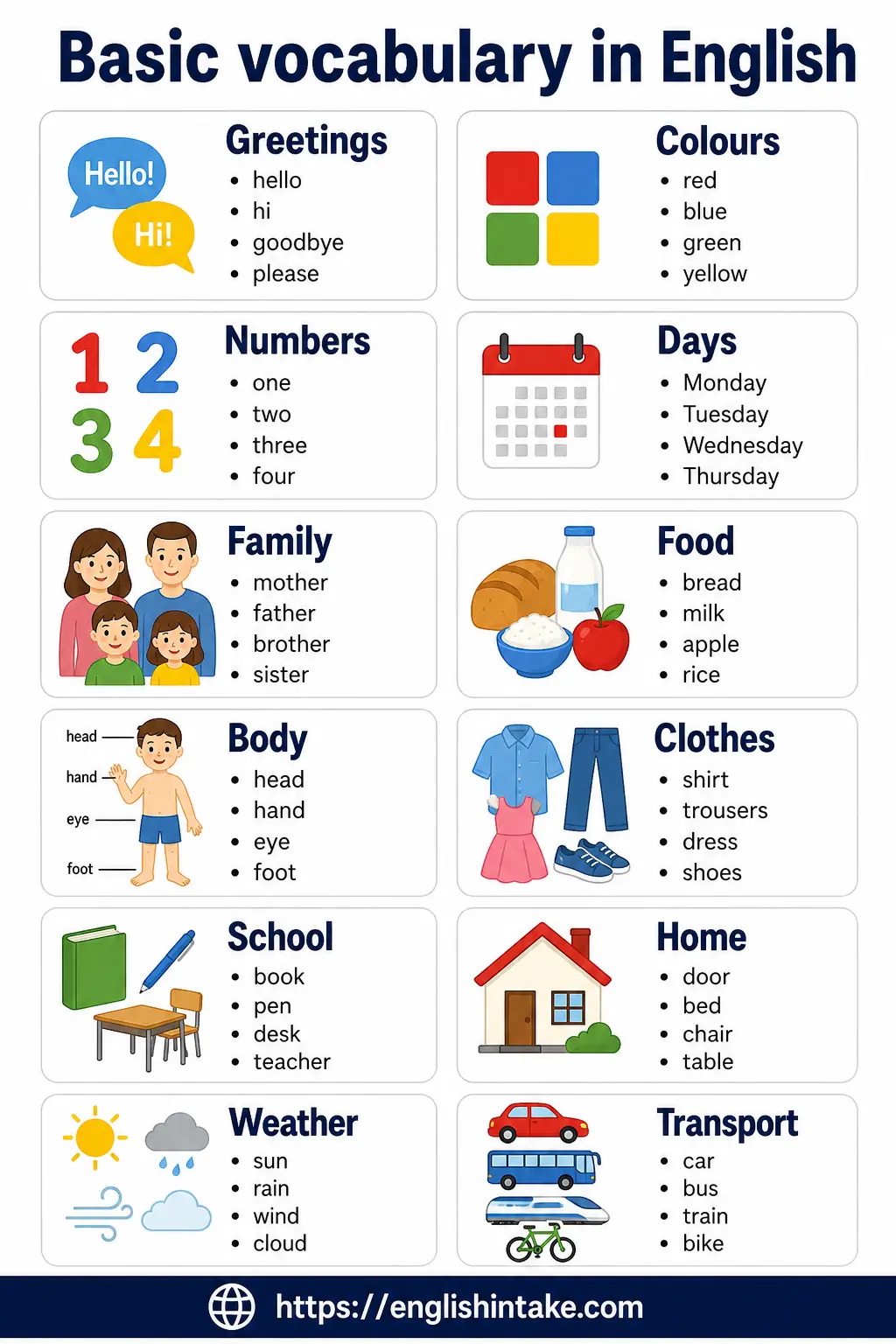
1. Basic greeting vocabulary in English
The basic greeting phrases below let you start a conversation. Start using them with a small basic vocabulary in English.
Basic greetings
Use good morning before midday, good afternoon from midday to early evening, and good evening later in the evening.
hello
Hello, I'm Sam. Nice to meet you.
hi
Hi! Come in.
good morning
Good morning. Did you sleep well?
good afternoon
Good afternoon. The doctor will see you now.
good evening
Good evening. Would you like a table?
good night
Good night. See you in the morning.
goodbye
Goodbye. It was lovely to meet you.
bye
Bye! I'll call you later.
see you later
See you later. I have to run.
Polite phrases
These phrases work in shops, classrooms, offices, and any everyday situation.
please
Can I have the bill, please?
thank you
Thank you. That's very kind.
you're welcome
You're welcome. Let me know if you need anything.
sorry
Sorry, I didn't hear that.
excuse me
Excuse me, is this seat free?
I don't understand
Sorry, I don't understand. Can you say that again?
2. Colour names
Learning colour names in English help you describe clothes, objects, rooms, and signs. In British English, the word is spelled colour, not "color."
red
The traffic light is red.
blue
I need the blue folder.
green
The green hat is mine.
yellow
He is wearing a yellow jacket.
orange
I like the orange scarf.
purple
The lavender looks purple in summer.
pink
The children painted the walls pink.
white
There is a white cat on the doorstep.
black
My keys are in the black bag.
brown
He brought a brown leather wallet.
grey
The sky was grey all morning.
3. Numbers 1 to 20
Numbers are useful for telling the time in English, shopping, giving your age, reading prices, and understanding addresses.
1 – one
I need one stamp.
2 – two
Can I have two tickets, please?
3 – three
The shop closes in three minutes.
4 – four
There are four people in our team.
5 – five
I'll be back in five minutes.
6 – six
She has six boxes to unpack.
7 – seven
The meeting starts at seven.
8 – eight
We need eight chairs for the table.
9 – nine
The bus comes at nine.
10 – ten
I waited ten minutes but he didn't come.
11 – eleven
The flight leaves at eleven.
12 – twelve
I'll meet you at twelve for lunch.
13 – thirteen
The flat is on the thirteenth floor.
14 – fourteen
She turned fourteen last week.
15 – fifteen
The journey takes fifteen minutes.
16 – sixteen
There are sixteen students in the class.
17 – seventeen
She has seventeen books on her shelf.
18 – eighteen
You can vote when you are eighteen.
19 – nineteen
I paid nineteen pounds for that book.
20 – twenty
There are twenty days until the holiday.
4. Days of the week
Learning week names in English help you plan your days, talk about appointments, book lessons, and understand timetables. Monday to Friday are weekdays. Saturday and Sunday are the weekend. Use on before a day name: on Monday, on Friday.
Monday
I start my new job on Monday.
Tuesday
The lesson is every Tuesday.
Wednesday
Can we meet on Wednesday afternoon?
Thursday
The bin collection is on Thursday.
Friday
We usually go out on Friday evening.
Saturday
The market is on on Saturday morning.
Sunday
The museum is closed on Sunday.
5. Months of the year
The year has twelve months. Month names in English always start with a capital letter. Use in before a month name: in January, in August. The UK has four seasons: winter, spring, summer, and autumn.
January (winter)
The roads are icy in January.
February (winter)
My birthday is in February.
March (spring)
The clocks go forward in March.
April (spring)
It often rains in April.
May (spring)
The garden looks lovely in May.
June (summer)
School finishes in June.
July (summer)
We usually go on holiday in July.
August (summer)
August is the hottest month of the year.
September (autumn)
The children go back to school in September.
October (autumn)
The leaves turn orange in October.
November (autumn)
It gets dark early in November.
December (winter)
Christmas is in December.
6. Family members
Knowing some family words in English help you introduce the people in your life and talk about your home situation. In everyday British speech, people often say mum instead of mother, dad instead of father, grandma and grandad instead of grandmother and grandfather.
mother (mum)
Mum, is dinner ready?
father (dad)
My dad is still at work.
brother
My brother moved to London last year.
sister
My sister is a nurse.
son
Her son is starting university.
daughter
Their daughter is three years old.
husband
My husband works in Leeds.
wife
His wife called while he was out.
grandfather (grandad)
Grandad told us stories after dinner.
grandmother (grandma)
We visit grandma every Sunday.
baby
The baby cried all night.
cousin
My cousin is coming to stay this weekend.
7. Basic English vocabulary about food and drink
You can use the following words while you are shopping, ordering a meal, cooking, or talking about what you like and dislike in English.
bread
Do we have any bread left?
egg
I usually have a boiled egg for breakfast.
milk
I need milk for my tea.
butter
The butter is in the fridge.
cheese
Can I have some more cheese?
apple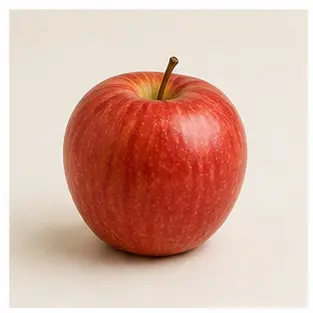
She brought apples for everyone.
banana
There's a banana in your lunchbox.
rice
We are having rice for dinner.
chicken
The chicken smells amazing.
fish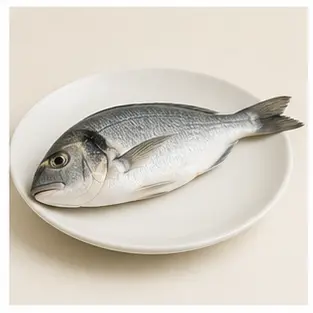
He doesn't like fish.
potato
Shall I peel the potatoes?
carrot
The soup has carrots and celery in it.
water
Can I have a glass of water, please?
juice
I'll have orange juice with breakfast.
8. Names of body parts
Body part words are useful at the doctor, pharmacy, and gym, and when you describe how someone looks or say where something hurts.
head
He has a small cut on his head.
face
She has a friendly face.
hair
He has short, brown hair.
eye
She has brown eyes.
ear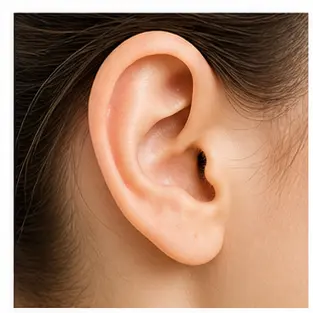
He has a small earring in his ear.
nose
She has a small nose.
mouth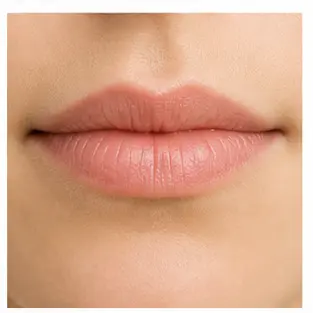
Close your mouth, please.
neck
She wore a scarf around her neck.
arm
He raised his arm.
hand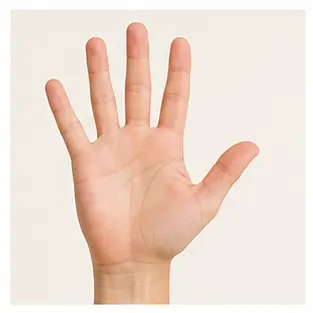
Give me your hand.
finger
Hold up one finger.
back
Turn around so I can see your back.
leg
He has long legs.
knee
Bend your knee slowly.
foot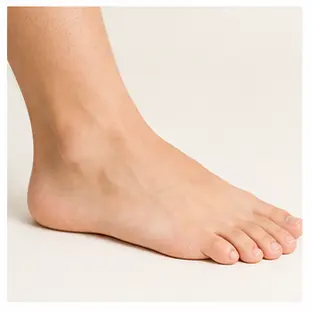
Put your foot on the floor.
9. Clothing items
Use the following words to describe what someone is wearing, ask for your size in a shop, or pack for a trip. British English uses jumper for the warm knitted top that Americans call a sweater, and trousers instead of pants.
shirt
This shirt needs ironing.
T-shirt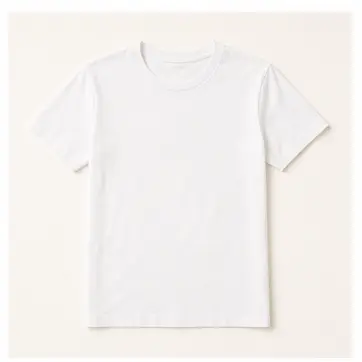
He was wearing a white T-shirt.
jumper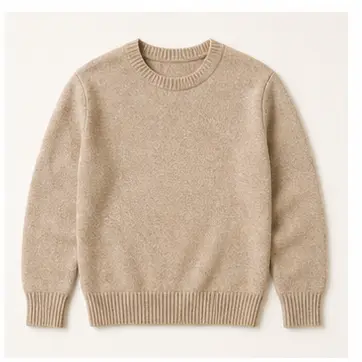
It's cold. Put a jumper on.
trousers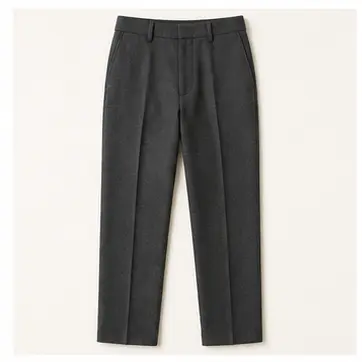
I need new trousers for the interview.
skirt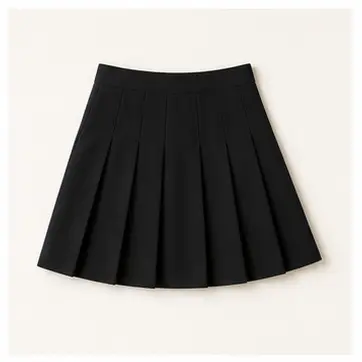
She wore a long skirt to the party.
dress
She bought a new dress for the wedding.
coat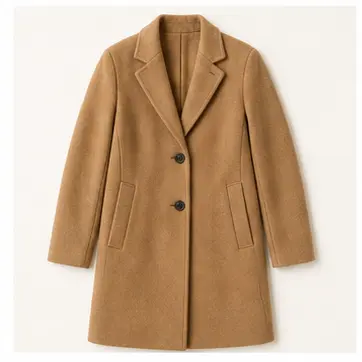
Don't forget your coat. It's freezing.
jacket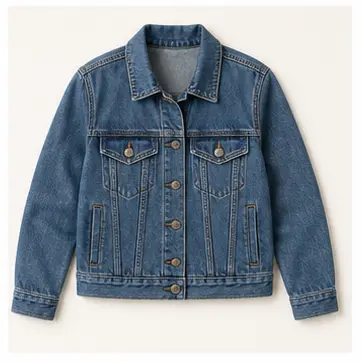
Leave your jacket on the hook.
shoes
Your shoes are by the door.
boots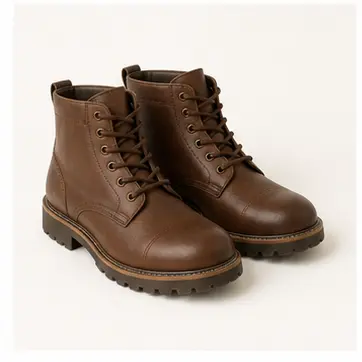
My boots are soaking wet.
socks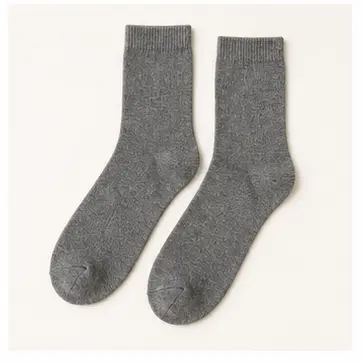
Have you seen my socks?
hat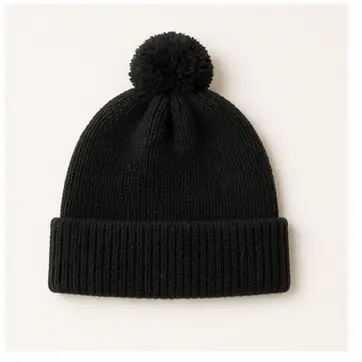
He put on a hat and went outside.
10. School objects
The following basic school vocabulary helps you talk about lessons, classrooms, and studying.
book
Open your book to page 34.
pen
Can I borrow a pen?
pencil
Write your name in pencil first.
rubber
Have you got a rubber? I made a mistake.
ruler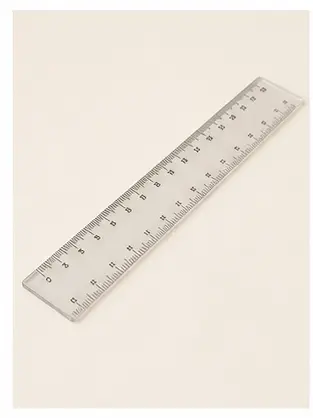
Use a ruler to draw a straight line.
desk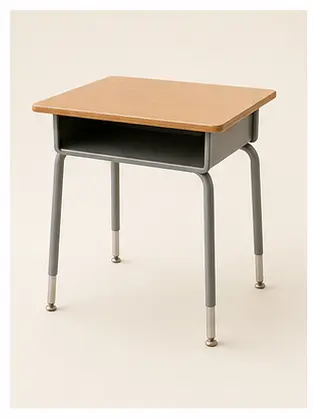
Put your bag under the desk.
chair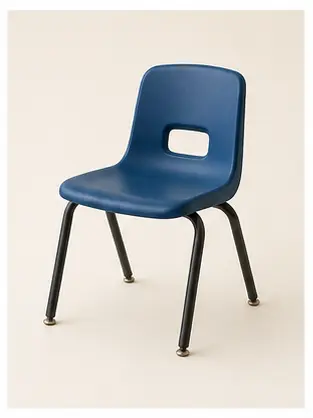
Bring that chair over here.
board
Copy the sentences from the board.
teacher
The teacher is in the staffroom.
student
Every student needs a login.
bag
Don't leave your bag on the bus.
classroom
The classroom is on the second floor.
11. Houses and furniture
Here are some useful words for houses and furtniture to help you describe rooms, furniture, and things around the house. They are also useful when renting a flat or following directions at home.
door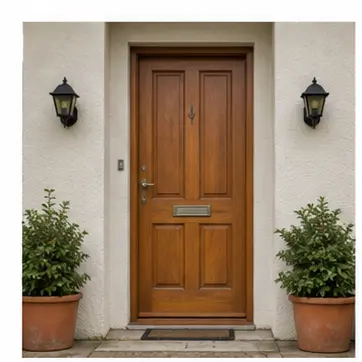
The front door is locked.
window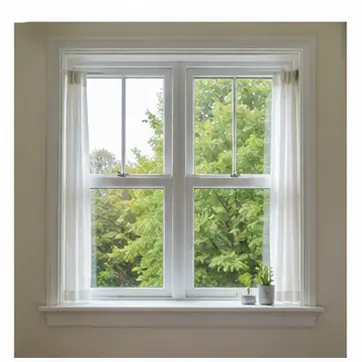
Open a window. It's stuffy in here.
floor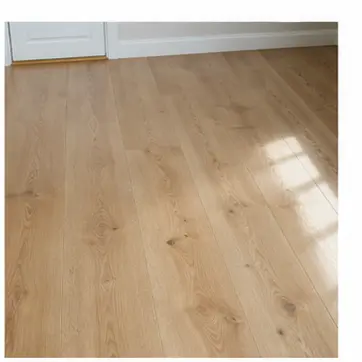
The cat is asleep on the floor.
wall
There are photos on the wall.
stairs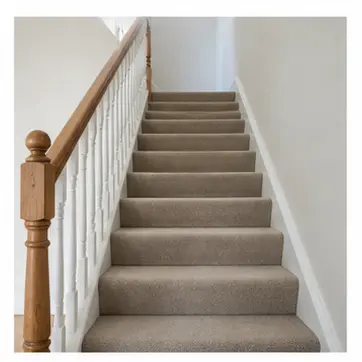
Be careful on the stairs.
kitchen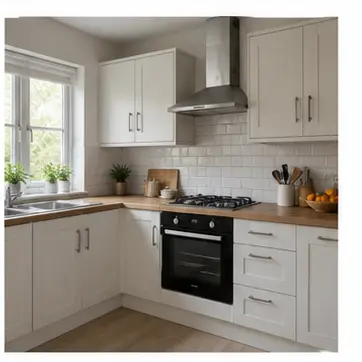
Dinner is ready in the kitchen.
bathroom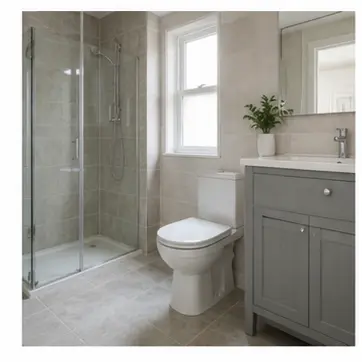
The bathroom is at the end of the corridor.
bedroom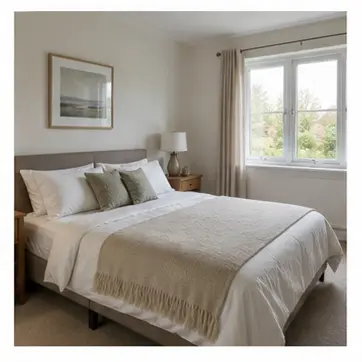
My bedroom is at the top of the stairs.
living room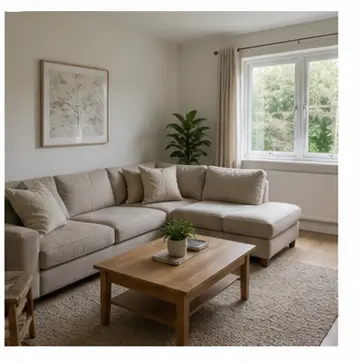
We watched a film in the living room.
bed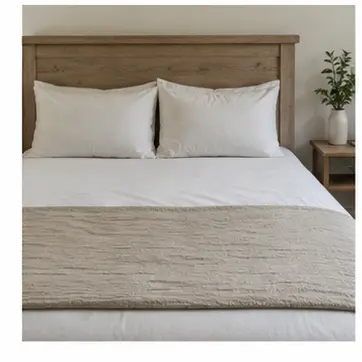
I'm going to bed.
sofa
The remote control is on the sofa.
garden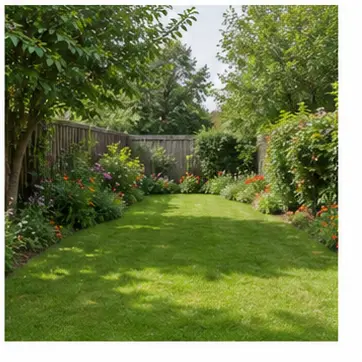
The children are playing in the garden.
12. The weather
Talking about the weather in English is a great way to break the ice. Here are useful words for forecasts, making plans, and having small talk. Use It's followed by an adjective: It's sunny. It's cold. It's windy.
sun / sunny
The sun came out after lunch.
rain / rainy
I forgot my umbrella in the rain.
wind / windy
The wind blew the door shut.
cloud / cloudy
Dark clouds are coming in from the west.
fog / foggy
Drive carefully. There's thick fog on the motorway.
snow / snowy
The schools are closed because of the snow.
ice / icy
Watch out. There's ice on the path.
hot
It's too hot to sleep.
cold
It's freezing cold out there.
warm
It's nice and warm in the sun.
13. Transport words in English
Knowing words related to transport helps you travel around, ask for directions, buy tickets, and understand timetables. In British English, the underground railway is called the tube. A passenger aircraft is an aeroplane.
car
My car wouldn't start this morning.
bus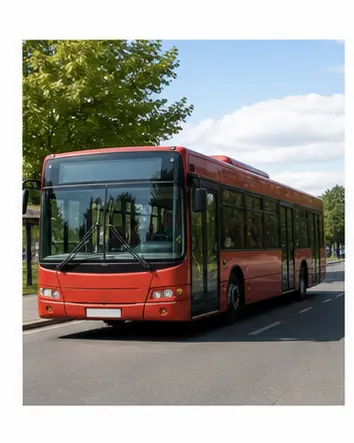
The bus is late again.
train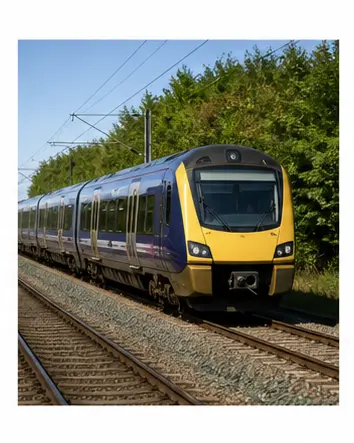
What time is the next train to London?
bike
I cycle to work on my bike.
taxi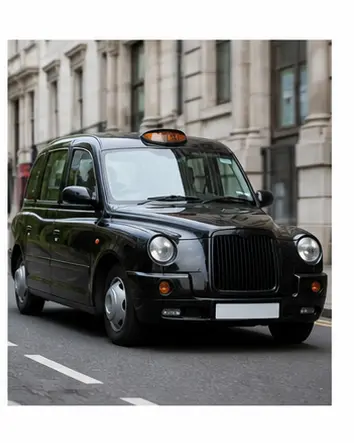
Shall we get a taxi?
aeroplane
The aeroplane landed twenty minutes early.
tube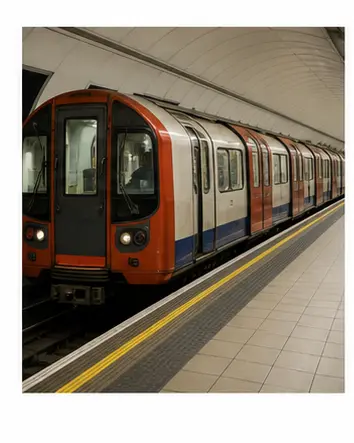
Take the tube to Oxford Circus.
boat
We took a boat across the river.
station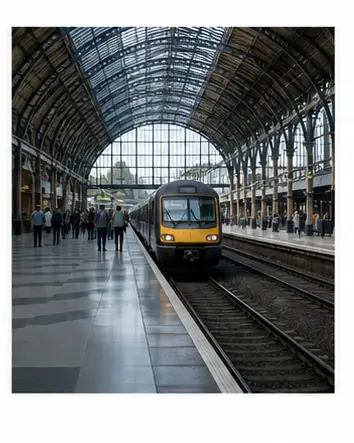
The station is a ten-minute walk from here.
airport
We need to be at the airport by six.