
1. Names of common street objects in English
Learning the names of street objects in English helps you describe different places more clearly. These words are useful when you give directions, talk about a place, understand signs, or describe a street in a picture.
In British English, many everyday street words are slightly different from American English. For example, british speakers usually say pavement while Americans say sidewalk.
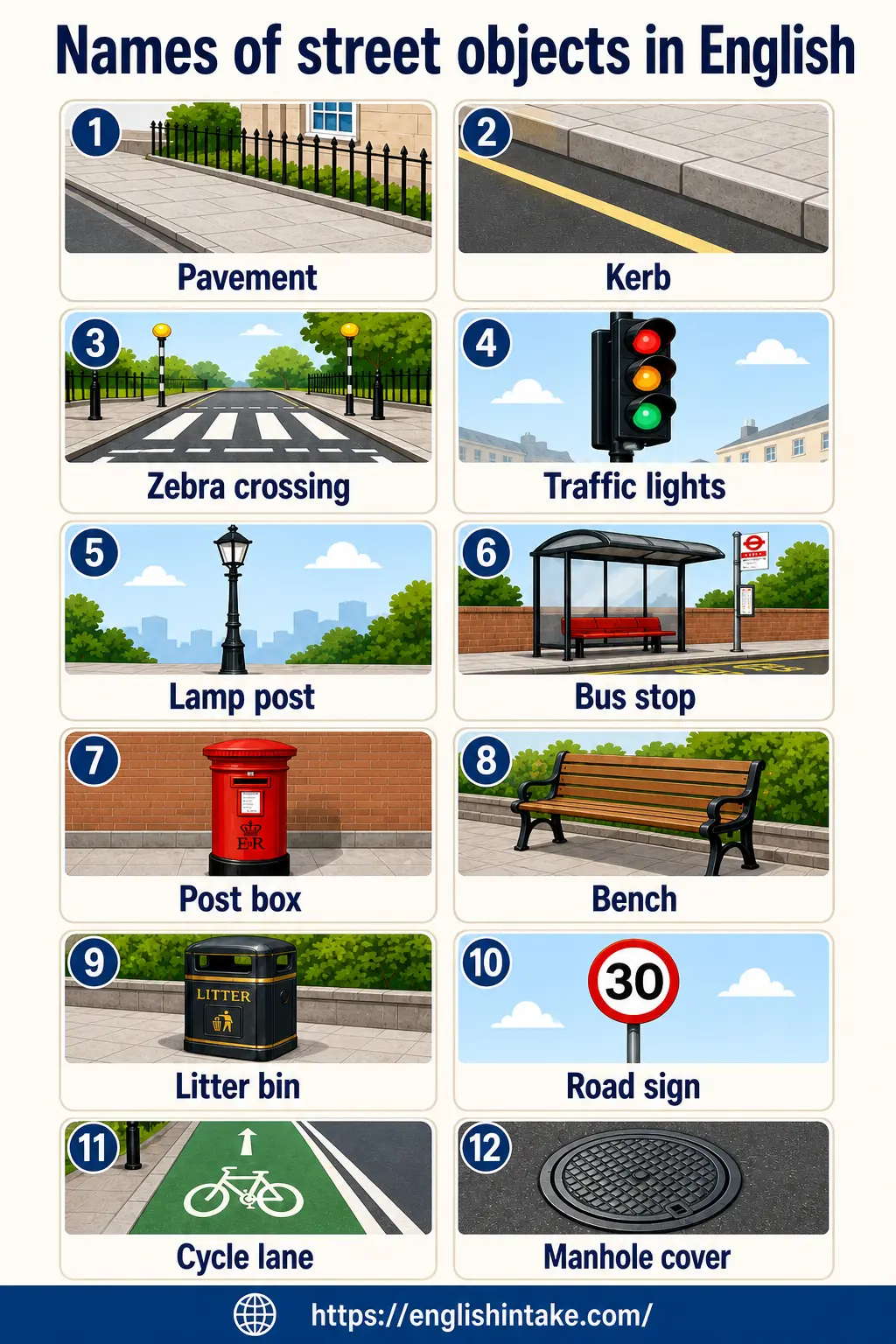
Pavement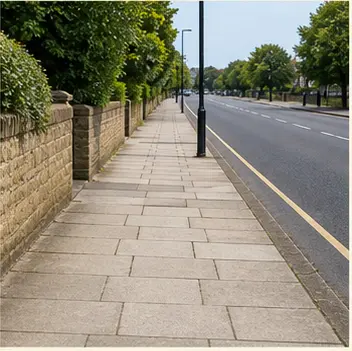
This pavement is too narrow.
Kerb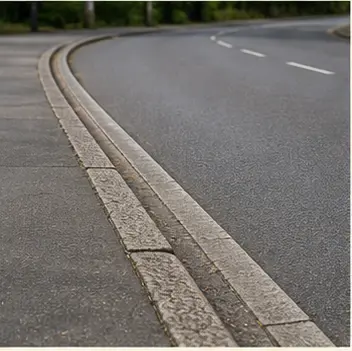
Don't stand too close to the kerb.
Zebra crossing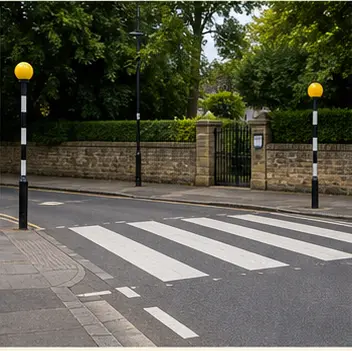
Cross the road at the zebra crossing.
Traffic lights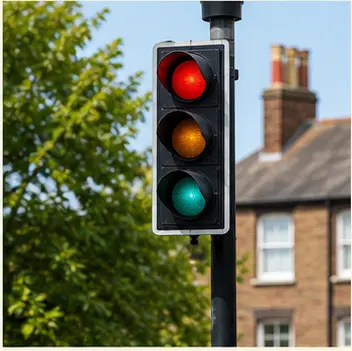
Turn left at the traffic lights.
Lamppost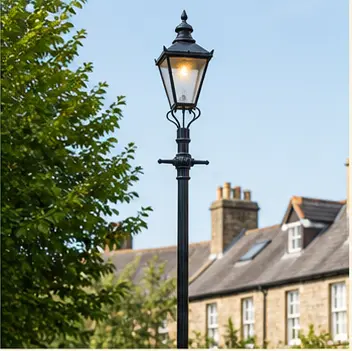
This street is too dark. It needs more lampposts.
Bus stop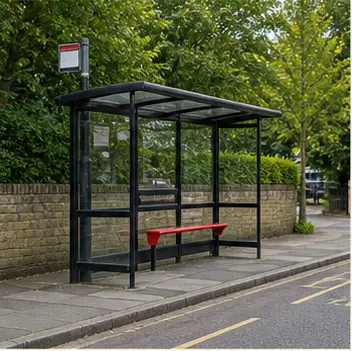
I'll meet you at the bus stop opposite the post office.
Postbox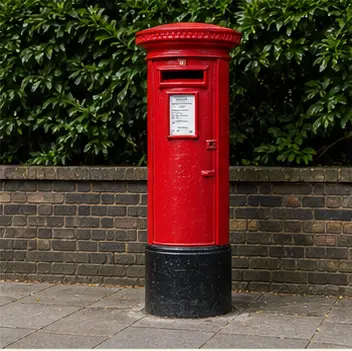
There's a red postbox outside the shop.
Bench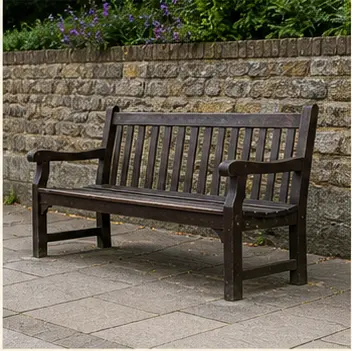
Is that your ex-girlfriend sitting on the bench over there?
Litter bin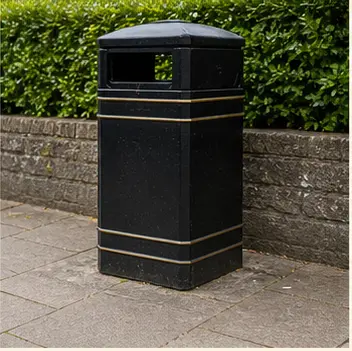
Put that wrapper in the litter bin, please.
Road sign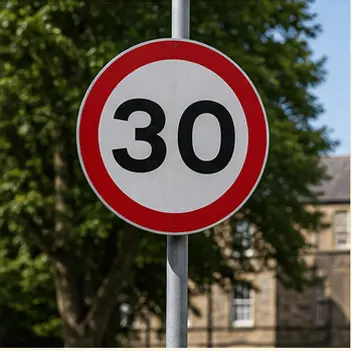
That road sign says the speed limit is 30 mph.
Cycle lane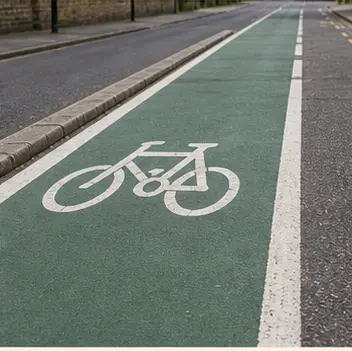
Stay out of the cycle lane.
Manhole cover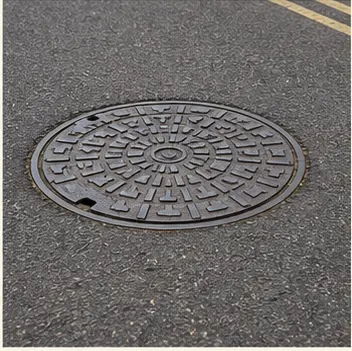
Watch out for the manhole cover in the middle of the road.
2. Adjectives to describe street objects
narrow
This pavement is too narrow for two people.
wide
I like this wide cycle lane.
busy
This street is always busy.
quiet
Why is the street so quiet today?
broken
A drunk driver broke this traffic light last night.
clear
That road sign is clear enough to read from here.
raised
Be careful. The kerb is quite raised here.
public
Let's sit on that public bench for a minute.
3. British and American words for street objects
Some street vocabulary changes depending on the country. If you are learning British English, these differences are worth noticing because they appear often in directions and travel conversations.
| British English | American English | Meaning |
|---|---|---|
| 🇬🇧 Pavement | 🇺🇸 Sidewalk | The path beside a road |
| 🇬🇧 Kerb | 🇺🇸 Curb | The raised edge between the road and the pavement |
| 🇬🇧 Litter bin | 🇺🇸 Trash can | A container for rubbish |
| 🇬🇧 Postbox | 🇺🇸 Mailbox | A public box for posting letters |
| 🇬🇧 Zebra crossing | 🇺🇸 Crosswalk | A marked place where pedestrians cross the road |
| 🇬🇧 Roadworks | 🇺🇸 Roadwork or construction | Work being done on or near a road |
4. Example sentences with street objects
Knowing the names of street objects in English helps you say where things are, where people go, and what problems people may notice. Here are example sentences using the words we have just learned.
- The bus stop is next to the lamppost.
- There is a bin beside the bench.
- Cross the road at the zebra crossing.
- The traffic lights are not working.
- A traffic cone is blocking the cycle lane.
- The postbox is on the corner of the street.
- The pavement is busy during the morning rush hour.
- The road sign points towards the town centre.
5. Example description
When describing a street, you can start by saying what kind of street it is (a busy street, a quiet road, a shopping street, a street near a school). Then add the objects people can see there.
To refer to one object, use there is. For two or more objects, use there are.
- There is a bench near the bus stop.
- There is a postbox outside the station.
- There are bollards along the pavement.
- There are traffic cones near the roadworks.
To give directions, you can use prepositions such as next to, opposite, beside, near, on the corner, and at the end of.
The bus stop is opposite the bank, next to a lamppost. This sentence gives both the place and a visible object, so it makes things easier to find.